SARKARI CTR:- A Government Scheme is a strategic plan or initiative launched by the government to provide social, economic, or developmental benefits to its citizens. These schemes act as a roadmap to address specific socio-economic challenges, such as poverty, unemployment, lack of education, or poor healthcare. In simple terms, it is the government’s way of ensuring that the country’s wealth and resources reach the people who need them the most.
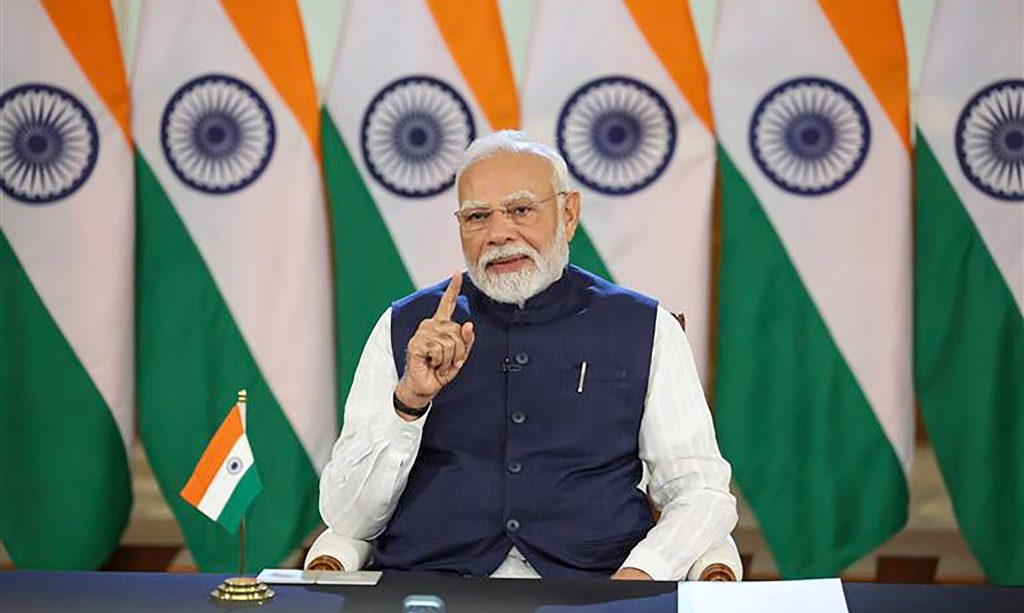
Sarkari Scheme Update 2026
सरकारी योजना एक रणनीतिक प्लान या पहल है जिसे सरकार अपने नागरिकों को सामाजिक, आर्थिक या विकासात्मक लाभ पहुँचाने के लिए शुरू करती है। ये योजनाएँ गरीबी, बेरोजगारी, शिक्षा की कमी या खराब स्वास्थ्य सेवा जैसी खास सामाजिक-आर्थिक चुनौतियों से निपटने के लिए एक रोडमैप का काम करती हैं। आसान शब्दों में कहें तो, यह सरकार का एक तरीका है जिससे यह पक्का किया जाता है कि देश की संपत्ति और संसाधन उन लोगों तक पहुँचें जिन्हें उनकी सबसे ज़्यादा ज़रूरत है।
Important links taken from the official website of India Government Scheme Portal (https://www.india.gov.in/my-government/schemes)












Table of Contents
Who Starts These Schemes?
Government schemes are typically initiated at two levels:
- Central Government (Union Level): These are nationwide programs like Ayushman Bharat (Healthcare) or PM-Kisan (Direct cash to farmers). They are funded and monitored by central ministries.
- State Government: These are specific to the needs of a particular state. For example, the FSC Search (EPDS Telangana) portal is a state-level initiative designed specifically for the residents of Telangana to manage food security.
Why Does the Government Start These Schemes?
The primary goal is the “Welfare State”—a concept where the state protects and promotes the economic and social well-being of its citizens. Here are the key reasons:
- Poverty Alleviation: To provide basic necessities like food, water, and shelter to those living below the poverty line.
- Bridging the Inequality Gap: To ensure that people from marginalized backgrounds have the same opportunities as the wealthy.
- Economic Growth: By providing loans to small businesses or skills training to youth (like Startup India), the government boosts the overall economy.
- Infrastructure & Health: To build a healthier and more connected nation by providing free vaccines, toilets, or electricity.
- Transparency & Governance: By moving schemes online (Digital India), the government reduces corruption and ensures that the “middleman” cannot steal the benefits intended for the common man. Also Read:- HP Gas Agency Dealership Advertisement 2026: Eligibility, Investment
How Do They Work? (The Delivery System)
Modern schemes use a system called Direct Benefit Transfer (DBT).
- The Process: A citizen applies through a portal (using Aadhaar or FSC numbers).
- Verification: The system automatically verifies their identity and eligibility.
- Execution: Instead of handing over physical cash through officials, the money is transferred directly into the beneficiary’s linked bank account. This ensures 100% transparency.
Common Examples of Sarkari Yojana
| Category | Example Scheme | Benefit |
| Food Security | National Food Security Act (NFSA) | Highly subsidized food grains (Ration). |
| Finance | PM Jan Dhan Yojana | Zero-balance bank accounts for everyone. |
| Healthcare | Ayushman Bharat | Free hospital treatment up to ₹5 Lakh. |
| Housing | PM Awas Yojana | Financial help to build a permanent house. |
Important Notice
Government schemes are essential tools for nation-building. They ensure that every citizen, regardless of their financial status, has access to a dignified life. Whether it is through an e-Ration card or a student scholarship, these initiatives are the backbone of public support and social justice.
Government Schemes in India Significance
We all know that in India, government schemes serve as essential frameworks designed to foster balanced development and ensure that the benefits of progress reach every citizen. Their significance lies in creating a “safety net” for vulnerable sections of society, while simultaneously laying the foundation for a strong nation.
Here is a detailed overview of the importance of government schemes in India:
- Social Empowerment and Inclusion
Targeted Assistance: These schemes are specifically designed to uplift disadvantaged groups, rural communities, women, children, and minorities.
Social Justice: By focusing on marginalized sections, these initiatives serve as instruments of empowerment and social justice, thereby contributing to the creation of a more egalitarian society.
Poverty Alleviation: They act as primary tools for reducing poverty and ensuring a life of dignity for those living below the poverty line.
- Promoting Economic Progress
Encouraging Investment: Government schemes play a pivotal role in boosting investment across various sectors of the economy.
Employment Generation: A key objective of these programs is to create employment opportunities, leading to an overall improvement in the living standards of the population.
Infrastructure Development: These initiatives fund and manage the development of essential infrastructure—such as roads, electricity, and housing—which serves as the backbone of long-term growth.
- Improving Governance and Transparency
- Accountability: The implementation of modern schemes enhances transparency in governance and ensures that officials remain accountable to the public.
Direct Delivery: With the rise of digital platforms, benefits are often delivered directly to beneficiaries (e.g., through Direct Benefit Transfer), thereby reducing corruption and minimizing the role of intermediaries.
Citizen Participation: These programs encourage citizens to actively engage with government services, thereby fostering democratic values and promoting good governance practices. Summary:
Overall, government schemes ensure that development is not confined solely to the wealthy but is inclusive, reaching even the last person standing in the queue. They bridge the gap between government resources and the needs of the citizens.
Government Schemes in India: Objectives and Impact
India’s government schemes serve as powerful instruments for national development, catering to the diverse needs of a nation home to over 1.4 billion people. Each scheme is designed with specific objectives in mind, reflecting the government’s commitment to building an egalitarian and prosperous nation. Here is a look at the goals of these initiatives.
Lifting People Out of Poverty
At the core of many central and state government programs lies a single, vital objective—to ensure that no citizen is deprived of basic necessities. Whether through direct cash transfers, the distribution of subsidized food grains, or affordable housing initiatives like PMAY, these schemes serve to support struggling families. The aim is not merely to provide temporary relief, but to forge sustainable pathways toward financial independence and dignity.
Integrating Marginalized Communities into the Mainstream
India’s social fabric is rich and diverse; yet, historically, it has borne the imprint of inequality. Scheduled Castes, Scheduled Tribes, Other Backward Classes, and religious minorities have long faced systemic barriers. Targeted schemes work to create equal opportunities for all—by providing scholarships, reservation benefits, legal protections, and community development funds—ensuring that every Indian, regardless of their background, can participate fully in public and economic life.
Building Infrastructure to Accelerate Development
Roads, railways, electricity, clean water, and digital connectivity are not luxuries—they are the bedrock of development. Schemes focused on infrastructure prioritize laying this foundation in regions that have historically lacked such amenities. When a paved road or a reliable power supply reaches a remote village, it gains something far greater than just a physical asset; It grants access to markets, hospitals, schools, and opportunities that were previously beyond reach.
Investment in Education and Skill Development
A nation’s greatest resource is its people, and this resource is further strengthened through learning. In this sphere, government schemes address everything from early childhood education to advanced vocational training. The objective is pragmatic: to reduce school dropout rates, improve the quality of education, and equip young Indians with skills that align with the demands of a modern, competitive economy. For millions of first-generation learners, these programs prove to be a true turning point.
Making Healthcare and Sanitation Accessible to All
Good health should not be the privilege of only those who can afford it. Schemes falling under this category provide free or heavily subsidized medical services to low-income families, promote national immunization campaigns, and encourage good sanitation habits at the grassroots level. For instance, the Swachh Bharat Mission recognized a simple truth: access to a clean toilet is just as fundamental a necessity as access to a doctor.
Strengthening Agriculture and Rural Livelihoods
Since a significant portion of India’s workforce still relies on farming, agricultural schemes hold immense importance. These initiatives provide support to farmers through crop insurance, fair pricing mechanisms, irrigation infrastructure, and access to modern farming techniques. Beyond farming, rural development programs focus on generating non-agricultural employment, improving village infrastructure, and connecting rural producers to wider markets.
Protecting the Environment for Future Generations
Development that destroys natural resources is not development at all—it is borrowing from the future. Many government initiatives focus on forest conservation, wetland protection, the adoption of renewable energy, and sustainable land use. These schemes acknowledge that if India is to fulfill both its developmental aspirations and its climate commitments, economic progress and environmental responsibility must go hand in hand.
Overall, these objectives paint a picture of a government striving to address complex and interconnected challenges through well-planned and targeted interventions. While the quality of implementation and outcomes may vary across different sectors and programs, the overarching vision remains the same: a stronger, more equitable, and more self-reliant India, where every citizen has the opportunity to thrive.
Other Important Government Schemes in India List
| Antyodaya Anna Yojana | — | MoCAFPD | 2000 | Hunger |
| Kishore Vaigyanik Protsahan Yojana | CS | MoST | 1999 | Science |
| National Social Assistance Programme | CSS | MoRD | 1995 | Pension |
| Members of Parliament Local Area Development Scheme | CS | MoSPI | 1993 | Development |
| National Scheme on Welfare of Fishermen | CSS | MoA | 1992 | Agriculture |
| National Social Assistance Scheme | CSS | MoRD | 1995 | Pension |
| Eklavya Model Residential School | CS | MoTA | 1997 | Education |
| National Tuberculosis Elimination Program | CSS | MoHFW | 1997 | Health |
| Voluntary Disclosure of Income Scheme | — | MoF | 1997 | — |
| Infrastructure Facilities for Judiciary | CSS | MoLJ | 1993 | Infrastructure |
SARKARI Schemes in India: A Sector-wise Overview
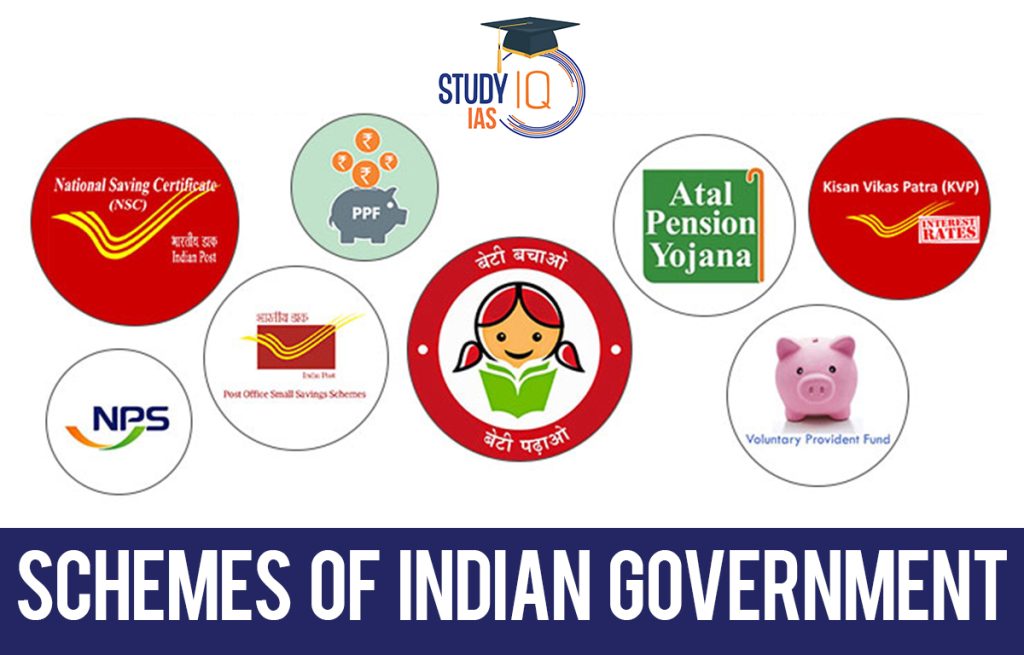
India’s policy landscape comprises hundreds of Centrally Sponsored and Central Sector schemes, each targeting a specific challenge or community. Presented below is a clear, sector-wise summary of some of the most significant ongoing programs.
Agriculture and Farmers’ Welfare
India’s agricultural sector serves as the foundation for the livelihoods of nearly half the population, making farmer-centric schemes absolutely essential.
- PM-KISAN (Pradhan Mantri Kisan Samman Nidhi): Provides direct income support of ₹6,000 per year to eligible farmer families, deposited directly into their bank accounts in three equal installments.
- Pradhan Mantri Fasal Bima Yojana (PMFBY): A crop insurance scheme that protects farmers against financial losses caused by natural calamities, pests, and diseases.
- PM Krishi Sinchai Yojana: Operates on the principle of “Har Khet Ko Pani” (Water to Every Field)—ensuring that irrigation water reaches every farm—while also promoting efficient water-usage practices. e-NAM (National Agriculture Market): An online trading platform that integrates agricultural produce markets across various states, helping farmers secure better prices for their crops.
Education and Skill Development
Education schemes aim to address existing gaps in access, quality, and outcomes for individuals across different age groups and income levels.
- Samagra Shiksha Abhiyan: An integrated school education scheme covering the spectrum from pre-primary to Class 12, focusing on providing inclusive and equitable quality education across the country.
- PM POSHAN (Mid-Day Meal Scheme): Provides free, nutritious meals to school children, thereby improving both attendance and nutritional levels among students from low-income families.
- Pradhan Mantri Kaushal Vikas Yojana (PMKVY): Offers free, short-term skill training to the youth in sectors such as construction, electronics, and food processing, featuring courses that are recognized by the industry. National Scholarship Portal: An integrated platform that provides merit- and need-based scholarships to students belonging to SC, ST, OBC, minority, and Economically Weaker Sections.
Health and Sanitation
- Affordable and accessible healthcare is one of India’s most critical development priorities. Ayushman Bharat – Pradhan Mantri Jan Arogya Yojana (AB-PMJAY): Often cited as the world’s largest health insurance scheme, it provides coverage of up to ₹5 lakh per family per year for secondary and tertiary hospitalization.
- National Health Mission (NHM): This strengthens healthcare delivery in rural and urban areas, with a special focus on maternal health, child health, and disease control.
- Swachh Bharat Mission (SBM): Its objective is to eliminate the practice of open defecation in rural and urban India by constructing toilets and to improve solid waste management.
- Poshan Abhiyaan (National Nutrition Mission): This integrates various nutrition-related programs to address the issue of malnutrition among children, pregnant women, and lactating mothers.
Employment and Livelihoods
Employment generation and income security schemes form the backbone of India’s anti-poverty strategy.
- MGNREGS (Mahatma Gandhi National Rural Employment Guarantee Scheme): This guarantees 100 days of wage employment per year to rural households willing to undertake unskilled manual labor, thereby providing a crucial safety net.
- PM SVANidhi (Street Vendors’ Atmanirbhar Nidhi): This provides collateral-free working capital loans to street vendors, enabling them to restart and sustain their livelihoods.
- Deendayal Antyodaya Yojana – National Rural Livelihoods Mission (DAY-NRLM): This organizes poor women in rural areas into Self-Help Groups (SHGs) and provides them access to finance, skills training, and livelihood support. Startup India and Stand-up India: These initiatives promote entrepreneurship by providing new companies and first-generation entrepreneurs with financial assistance, tax benefits, and simplified regulatory processes.
Housing and Urban Development
Safe and affordable housing is not only a fundamental right but also a key driver of economic growth.
- Pradhan Mantri Awas Yojana (PMAY) – Rural and Urban: Aligned with the vision of “Housing for All,” this scheme aims to provide pucca (sturdy) houses—equipped with basic amenities—to homeless families and those living in kaccha (temporary) houses in both rural and urban areas.
- Smart Cities Mission: This initiative focuses on developing 100 cities featuring facilities such as smart infrastructure, digital governance, sustainable energy, and improved urban transportation. AMRUT (Atal Mission for Rejuvenation and Urban Transformation): Ensures the availability of basic services—such as water supply, sewerage, and green spaces—in urban towns and cities.
Energy and Environment
Access to clean energy and environmental sustainability are becoming integral components of India’s development agenda.
- PM Ujjwala Yojana: Provides free LPG connections to women from families living below the poverty line, thereby reducing reliance on polluting cooking fuels such as wood and coal. Land Utilization for Development Projects.
Women and Child Welfare
- Empowering women and safeguarding children are objectives that cut across every sector.
- Beti Bachao Beti Padhao: Addresses the issue of the declining Child Sex Ratio and promotes the education and welfare of girls in districts where gender-related indicators have historically been weak.
- PM Matru Vandana Yojana (PMMVY): Provides a maternity benefit of ₹5,000 to pregnant and lactating mothers upon the birth of their first living child, thereby supporting their nutrition and health during this critical period.
- Mission Shakti: A comprehensive scheme that consolidates initiatives for women’s safety, security, and empowerment, integrating various women-centric programs under a single framework.
- ICDS (Integrated Child Development Services): Delivers nutrition, immunization, health check-ups, and early childhood education through a nationwide network of Anganwadi centers.
Digital India and Financial Inclusion
- Technology-driven inclusion has now become a key pillar of governance and citizen services.
- Digital India Scheme: Aims to transform India into a digitally empowered society by improving internet connectivity, e-governance, and digital literacy.
- Jan Dhan Yojana (PMJDY): Has connected millions of citizens—previously excluded from banking services—to the formal financial system through zero-balance savings accounts linked to Aadhaar and RuPay cards.
- Atal Innovation Mission (AIM): Fosters a culture of innovation and entrepreneurship among students through Atal Tinkering Labs in schools and incubation centers in institutions.
Government Schemes in India FAQs
What are government schemes?
Fundamentally, government schemes are organized efforts undertaken to deliver specific benefits—such as financial assistance, infrastructure, services, or opportunities—to targeted groups or the general public. These initiatives are backed by dedicated budgets, governed by defined eligibility criteria, and monitored through established administrative frameworks. These schemes are not a ‘one-size-fits-all’ solution. Some of them are universal in nature, benefiting every citizen—regardless of their income or background. Conversely, other schemes are specifically targeted; they are designed expressly for groups such as farmers, women, tribal communities, persons with disabilities, or those living below the poverty line.
Who benefits from these schemes?
A key characteristic of India’s policy framework is the recognition that different individuals face distinct challenges. The needs of a farmer grappling with crop failure differ significantly from those of a young woman aspiring to pursue higher education, or a first-generation entrepreneur attempting to launch a business. The Indian government’s schemes reflect this understanding; they are designed to align with the specific realities of various demographic groups.
How are these schemes funded?
One of the most fundamental, yet least understood, aspects of government schemes is how they are actually financed. Behind every welfare program, infrastructure project, or social initiative lies a meticulously crafted financial framework that determines how much funding will be available, where it will originate, and, ultimately, how it will reach the intended beneficiaries. Comprehending this financing structure is absolutely essential to understanding both the scale and the limitations of India’s public policy endeavors.
Disclaimer: This website is not operated by any government body, it is an independent informational website, whose purpose is to provide information related to Fsc search portal to the general public.